What is globalization?
Globalization is a process of interaction and integration among the people, companies, and governments of different nations, a process driven by international trade and investment and aided by information technology. this process has effects on the environment, on culture, on political systems, on economic development and prosperity, and on human physical well-being in societies around the world.
The wide-ranging effects of globalization are complex and politically charged. As with major technological advances, globalization benefits society as a whole, while harming certain groups. Understanding the relative costs and benefits can pave the way for alleviating problems while sustaining the wider payoffs.
It helps developing countries to deal with rest of the world increase their economic growth, solving the poverty problems in their country.The developed countries were able to invest in the developing nations, creating job opportunities for the poor people.
Globalization is an historical process that began with the first movement of people out of Africa into other parts of the world. Traveling short or long distances, migrants, merchants and others have delivered their ideas, customs and products to new lands.
How has technology influenced globalization?

Technology is the vital force in the modern form of business globalization. Technology has revolutionized the global economy and has become critical competitive strategy. It has globalized the world, which drive all the countries to more ethical standards. This paper attempts to show how Technology revolution is sweeping the globe and the transition from manual to electronic delivery of services both in public and private sector leads to advancement of business community throughout the world. Globalization has lead to new markets and information technology is one of the technologies fostered to the new market in this increasing competitive world. Technology has helped us in overcoming the major hurdles of globalization and international trade such as trade barrier, lack of common ethical standard, transportation cost and delay in information exchange, thereby changing the market place. Technology has enabled the software experts to work collaboratively over the network with companies from around the world. The technological advancement has helped a lot in creation and growth of global market. Multinational Corporations (MNC) can be seen as a central actor in globalization. Markets have become global at a rapid pace, as indicated by several kinds of trade extended to foreign countries. The innovation in host country is often undertaken by MNC based in one country and due to the technological advancement MNC(s) have expanded to other countries by some kinds of FDI also facilitating the movement of research and development. The researchers have analyzed that though the technology has globalized the business but economically well developed countries have been more benefited. While technology has created many opportunities for global networks of tasks it is important to look at the friction in the system to understand the limitations. The sources of friction are many and could bring the system to its knees. Companies and countries that want to thrive in this era of globalization will seek to mitigate the abuses, while dealing with the friction.
The Role of Government
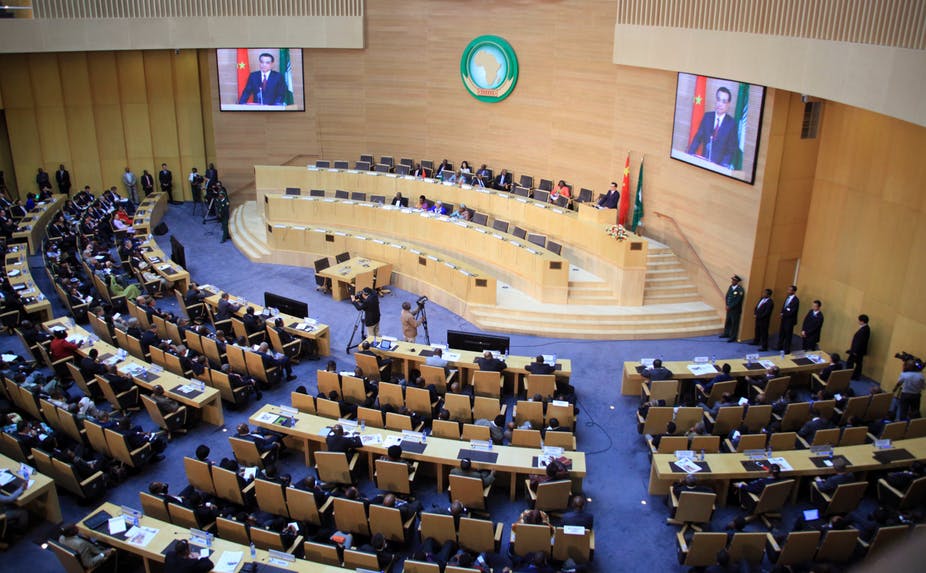
As with many issues pertaining to globalization, concerns and hopes about international investment revolve in many ways around what governments may do. This means both what governments may do to regulate foreign investment, perhaps to make it less volatile, as well as actions government may take simply to get out of the way of the market, clearing the existing barriers to capital. In addition, the role of government refers not only to individual nations, but to international institutions such as the WTO and the IMF, which serve functions relating to global governance.
Some of the steps these institutions of governance can take to help influence the choices made by international investors include:
- The creation of new infrastructure and other facilities to attract foreign investment. As described earlier, an array of services can help promote foreign investment in a country, ranging from basic services such as the provision of electricity and clean water, to fair and effective dispute resolution systems.
- The ability of governments to prevent or reduce financial crises also has a great impact on the growth of capital flows. Steps to address these crises include strengthening banking supervision, requiring more transparency in international financial transactions, reducing the risk of moral hazard, and ensuring adequate supervision and regulation of financial markets. The majority view among economists is that financial sector reform must precede capital account liberalization. Other steps have been suggested to help limit the volume of volatile short-term capital such as small taxes on foreign exchange transactions. One prominent advocate of this idea was Nobel Prize winning economist James Tobin. Although many countries have imposed limits or taxes on capital outflows, another creative way to address volatility was applied by Chile, which imposed a small transaction fee on capital inflows. This measure served to limit the amount of short-term investment, but did not create a risk of deep concern to investors, namely, of having trouble getting their money out of the country at some point in the future.
- Working with developing country governments in particular to help establish more stringent labor and environmental standards to prevent either one from being exploited.
- Protecting domestic infant-industries only long enough to allow them to become competitive internationally. This step remains controversial, but some economists have pointed out that a number of developing countries—indeed many of the countries that have recorded the highest long-term growth rates—have done so after resorting to some protection of sectors of domestic industry.
As you can see from this list of policy options, people from almost the entire spectrum of beliefs about globalization have prescriptions for government policy, even those who advise that governments need only act to remove market-distorting tariff and regulatory barriers. And this list is by no means comprehensive.
Ongoing events are leading an increasing number of analysts of globalization to suggest that we explore the challenges and opportunities of globalization more fully, to better understand its consequences and learn how to maximize its potential benefits while mitigating its disruptions.
Economic events such as the East Asian financial crisis and more recent incidents such as the collapse of the Argentinian economy in late 2001 have made many economists argue for improved market mechanisms, such as regulatory measures and oversight. The fact that different countries encountering similar problems have received different prescriptions from the international community has also led many to argue for a more firmly established set of ground rules.
Coordination between governments will be crucial for dealing with the global financial and economic crisis of 2007-2009. According to UNCTAD, “the challenge is to restore the credibility and stability of the international and financial system, to provide stimulus to economic growth in order to prevent the risk of a spiraling depression, to renew a pragmatic commitment to an open economy, potentially put at risk by rising protectionist tensions, and to encourage investment and innovation” (United Nations Conference on Trade and Development, 2009).
In addition, political events such as the large protests in 1999 at the Seattle WTO meeting or in 2001 at the G8 meeting in Genoa, Italy, have led some political leaders to conclude that certain kinds of market interventions or regulations are necessary to assist those who are endangered by globalization, simply to sustain political support for continued liberalization.
Joseph Stiglitz, formerly chief economist of the World Bank and Nobel Prize winner for economics in 2001, has characterized the globalization of international finance as suffering from “global governance without global government.” He notes that the nationalization of the U.S. economy, which began 150 years ago and was analogous in many ways to the process of globalization, was accompanied by a significant expansion in government oversight and regulation, to help temper crises and provide accountability.
One surefire prediction about the globalization debate is that much of the discussion will continue to revolve around appropriate government policies.
Benefits / Gains from Globalization
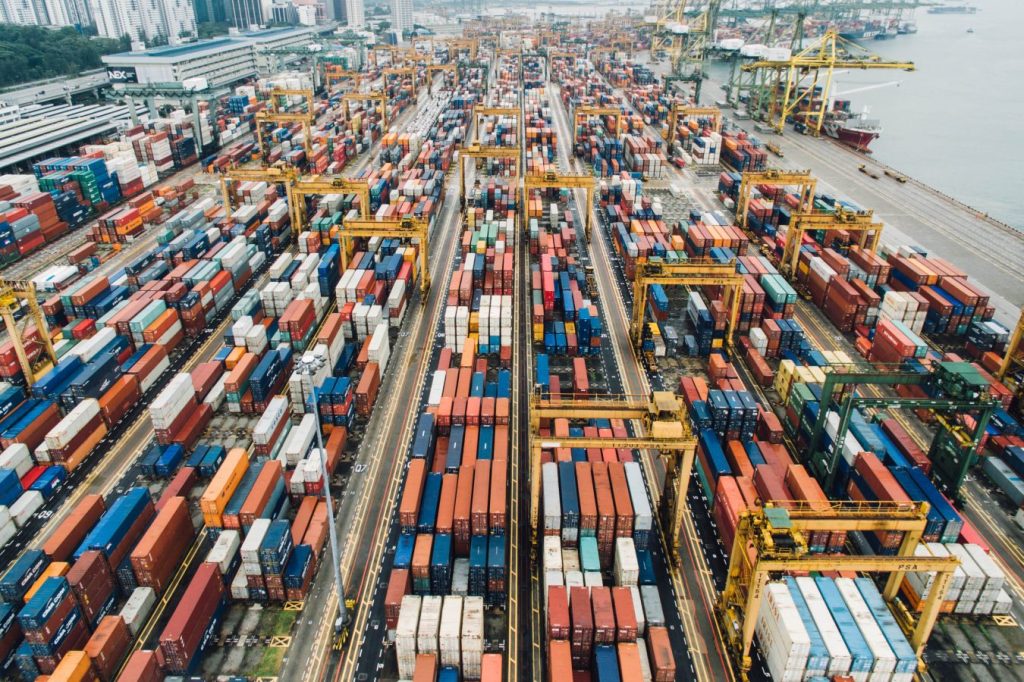
1. Encourages producers and consumers to benefit from deeper division of labour and economies of scale
2. Competitive markets reduce monopoly profits and incentivise businesses to seek cost-reducing innovations
3. Enhanced growth has led to higher per capita incomes – and helped many of poorest countries to achieve faster economic growth and reduce extreme poverty measured as incomes < $1.90 per day (PPP adjusted)
4. Advantages from the freer movement of labour between countries
5. Gains from the sharing of ideas / skills / technologies across national borders
6. Opening up of capital markets allows developing countries to borrow money to over a domestic savings gap
7. Increased awareness among consumers of challenges from climate change and wealth/income inequality
8. Competitive pressures of globalisation may prompt improved governance and better labour protection
Drawbacks / Risks of Globalisation
1. Inequality: Globalization has been linked to rising inequalities in income and wealth. Evidence for this is the growing rural–urban divide in countries such as China, India and Brazil. This leads to political and social tensions and financial instability that will constrain growth. Many of the world’s poorest people do not have access to basic technologies and public goods. They are excluded from the benefits.
2. Inflation: Strong demand for food and energy has caused a steep rise in commodity prices. Food price inflation (known as stagflation) has placed millions of the world’s poorest people at great risk.
3. Vulnerability to external economic shocks – national economies are more connected and interdependent; this increases the risk of contagion i.e. an external event somewhere else in the world coming back to affect you has risen / making a country more vulnerable to macro-economic problems elsewhere
4. Threats to the Global Commons: Irreversible damage to ecosystems, land degradation, deforestation, loss of bio-diversity and the fears of a permanent shortage of water afflict millions of the world’s most vulnerable
5. Race to the bottom – nations desperate to attract inward investment may be tempted to lower corporate taxes, allow lax health and safety laws and limit basic welfare safety nets with damaging social consequences
6. Trade Imbalances: Global trade has grown but so too have trade imbalances. Some countries are running big trade surpluses and these imbalances are creating tensions and pressures to introduce protectionist policies such as new forms of import control. Many developing countries fall victim to export dumping by producers in advanced nations (dumping is selling excess output at a price below the unit cost of supply.)
7. Unemployment: Concern has been expressed by some that capital investment and jobs in advanced economies will drain away to developing countries as firms switch their production to countries with lower unit labour costs. This can lead to higher levels of structural unemployment.
8. Standardization: Some critics of globalization point to a loss of economic and cultural diversity as giant firms and global multinational brands dominate domestic markets in many countries.
9. Dominant global brands – globalization might stifle competition if global businesses with dominant brands and superior technologies take charge of key markets be it telecommunications, motor vehicles and so on.
Globalization has had far-reaching effects on our lifestyle. It has led to faster access to technology, improved communication and innovation. Apart from playing an important role in bringing people of different cultures together, it has ushered a new era in the economic prosperity and has opened up vast channels of development. However, globalization has also created some areas of concern, and prominent among these is the impact that it has had on the environment. Globalization has featured extensively in the debates on environmentalism, and green activists have highlighted its far-reaching effects. Let us know about the impact of globalization on our environment.
Globalization and Its Impact on the Environment
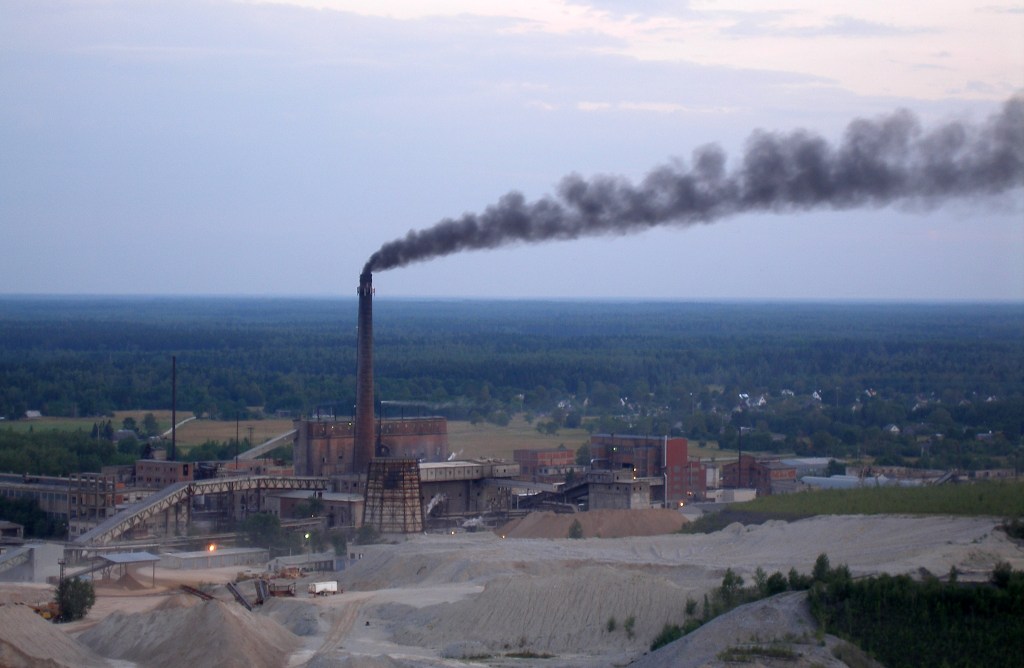
Activists have pointed out that globalization has led to an increase in the consumption of products, which has impacted the ecological cycle. Increased consumption leads to an increase in the production of goods, which in turn puts stress on the environment. Globalization has also led to an increase in the transportation of raw materials and food from one place to another. Earlier, people used to consume locally-grown food, but with globalization, people consume products that have been developed in foreign countries. The amount of fuel that is consumed in transporting these products has led to an increase in the pollution levels in the environment. It has also led to several other environmental concerns such as noise pollution and landscape intrusion. Transportation has also put a strain on the non-renewable sources of energy, such as gasoline. The gases that are emitted from the aircraft have led to the depletion of the ozone layer apart from increasing the greenhouse effect. The industrial waste that is generated as a result of production has been laden on ships and dumped in oceans. This has killed many underwater organisms and has deposited many harmful chemicals in the ocean. The damage caused to ecosystem from the oil that spilled from one of the leaking containers of British Petroleum in 2010 is just one of the examples of the threat globalization poses to the environment.
 Article 101